Commentary, Opinion, Idea Articles

Myanmar’s Earthquake Exposes Political Fault Lines

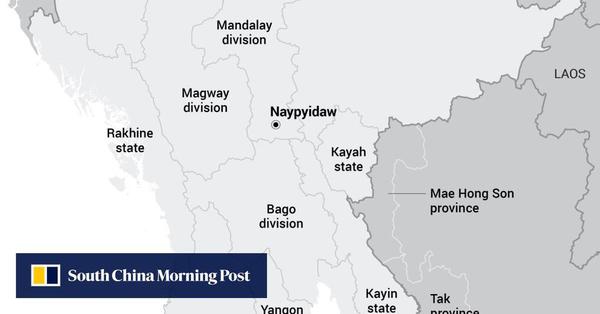
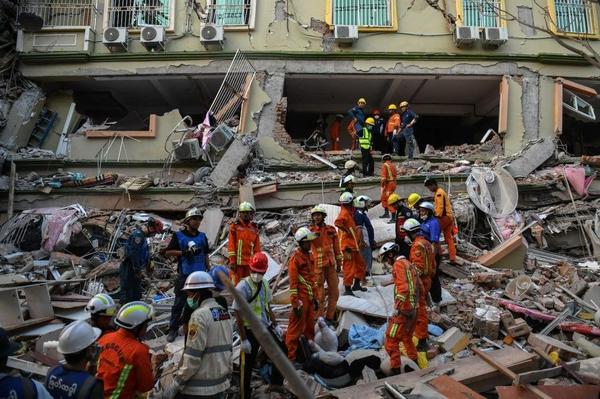
In the hours after the deadly 7.7 magnitude earthquake, the streets of Mandalay and Sagaing—not far from the epicenter—resembled a war zone. Survivors clawed through debris to free loved ones, with virtually no sign of help from authorities. Myanmar’s capital, Naypyidaw, along with the Mandalay and Sagaing regions were the hardest hit. The death toll in Myanmar surpassed 3,600 people by April 7 and was still climbing as rescue efforts began winding down last week.
New Battlefront Emerging in Western Myanmar

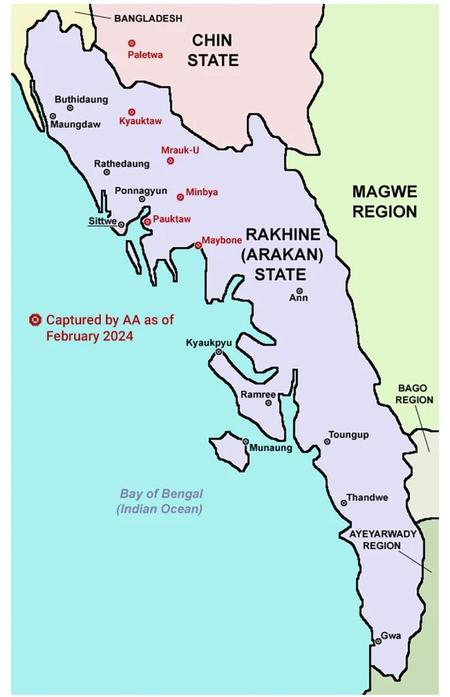
The Arakan Army (AA) has gained significant ground against State Administration Council (SAC) troops in western Myanmar. The AA’s gains compound SAC losses in other parts of the country since Operation 1027 in October.

A new battlefront has opened up in western Myanmar. Just weeks after the Operation 1027 offensive against junta forces in late October, the Arakan Army (AA) has chalked up a string of territorial gains against State Administration Council (SAC) forces in Rakhine State. The gains

Is Myanmar’s Civil War Pushing the Country Toward Fragmentation?

Resistance forces now face the challenge of building an ethnically inclusive and democratic state, something that no government in Myanmar has ever achieved.

Today, Myanmar stands at a critical juncture in its history. The escalating losses of the Myanmar military due to the coordinated attacks by resistance forces and ethnic armed organizations (EAOs) throughout the country have ignited a pivotal debate, both nationally and internationally, about the country’s future trajectory. Is Myanmar heading toward Fragmentation and Chaos?

Ceasefire Breach: Operation 1027 Shakes Western Myanmar

On November 13, about 18 days after its inception, Operation 1027 opened a new front in western Myanmar, breaking a year-long informal ceasefire with the Myanmar military. The initial attack was carried out by the Arakan Army (AA), which attacked at least two junta outposts in northern Rakhine State. Operation 1027, which has made rapid gains in northern Shan State and has since expanded to other areas of the country, has now reached the previously quiet west of Myanmar. This expansion presents

‘Operation 1027’: A Turning-Point For Myanmar’s Resistance Struggle?

For the past two years, a string of significant global events, including the Taliban reconquest of Afghanistan, the Russia-Ukraine war, and the Israel-Hamas conflict, have diverted international attention from Myanmar’s turmoil and the Myanmar people’s struggles for democracy. Despite the lack of attention, however, the self-defense efforts of the Myanmar people have highlighted the military’s complete incapacity to consolidate the coup d’etat that it launched in February 2021.

How the Arakan Army Has Capitalized on Myanmar’s Coup

Myanmar’s Rakhine State, which borders Bangladesh to the west, is now relatively stable despite the country’s escalating countrywide civil war, under de facto control of the Arakan Army (AA), one of the country’s most powerful ethnic armed groups. Established in 2009 with its political goal of greater autonomy for the people of Rakhine, the AA claims that it now has 30,000 people under arms, around 6,000 of which are supporting its ethnic allies and resistance groups in Kachin, Karen, and Shan states and elsewhere in country.

2023/35 "Myanmar’s “Sham” Election Threatens the 2025 Goals of the Arakan Rebels" by Kyaw Hsan Hlaing

• After fighting the Myanmar military fiercely for two years, the Arakan Army had, by the end of 2020, established a parallel administration and military bases in Rakhine State. It seemed that “Arakan Dream 2020” was thus accomplished.
• While the relationship between the Rakhine political parties and the United League of Arakan/Arakan Army (ULA/AA) is not clear, the ULA/AA leadership seems to have much closer interactions with the Arakan National Party (ANP) than with the Arakan League of Democracy and Arakan Front Party.

Understanding the Arakan Army • Stimson Center

On February 1, 2023, the brutal military in Myanmar marked two years since its seizure of power from the civilian government in 2021. Since then, the country has been plagued by escalated civil war and political and economic turmoil. It is critical to end the military regime in Myanmar for all ethnic groups, especially the ethnic armed revolutionary groups taking the significant role of supporting and fighting alongside the resistance groups across the country.

Myanmar's ethnic insurgents raise the pressure on military junta

The day her 4-year-old grandson was killed, U San Yee had taken him to their local market in rural Myanmar for sticky rice and his favorite fried banana snacks before coming home to play with his toy cars.

“We didn’t know that the Myanmar military would fire artillery shells,” U San Yee said. “That’s why we were just going about and living our normal lives.”

When the first explosions struck Kin Seik, a farming village of about 3,000 people, the two were watching “Tom and Jerry” cartoons.

Japan needs to ratchet up pressure on Myanmar's junta

On Sept. 16, about two months after intensified armed clashes resumed in Myanmar between the state military and the Arakan Army in Rakhine and the southern Chin States, the military regime blocked the United Nations and international humanitarian organizations from accessing six townships, despite the severe humanitarian need.

Two weeks later, the junta further restricted the supply of medicine from Yangon to Rakhine State while at the same time arresting at least two medical doctors.

Shadowy pro-military militias target Myanmar’s anti-coup movement

A month ago, the body of a man was found dumped by the side of the road in Myanmar’s central city of Mandalay.

The victim had been stabbed multiple times, and his hands tied behind his back.

Attached to a lanyard around the neck of National League for Democracy (NLD) member Zaw Gyi the killers had left their calling card: a red circle depicting a warrior holding two swords.

The circle is the symbol of a new pro-military death squad terrorising Myanmar called Thway Thauk Apwe, which roughly tr

My Family and Friends Are Living Under the World's Longest Internet Shutdown in Myanmar

Kyaw Hsan Hlaing grew up in Myanmar’s conflict-torn Rakhine State where his family and friends are among more than 1.4 million people affected by a prolonged internet ban. In place since June 2019 in parts of Rakhine and neighboring Chin State, the ban was imposed by the government amid escalating fighting with an ethnic armed group. Human rights groups have criticized the shutdown for hampering access to information about COVID-19, as well as making it harder to distribute food and medical aid...

Arakan Rebel Government Takes Lead in Myanmar Cyclone Recovery

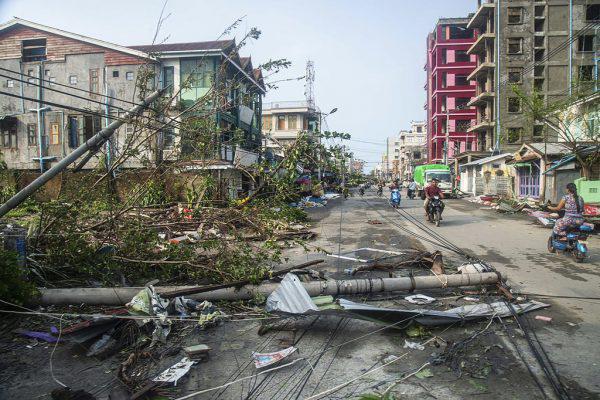
Following the arrival of Cyclone Mocha last week, in western Myanmar, the humanitarian situation on the ground is dire. As of May 16, two days after the storm made landfall, approximately 1.5 million people in Rakhine were believed to have been affected by the storm and more than 400,000 buildings including hospitals, schools, and internally displace person (IDP) camps were partially or completely damaged. More than 400 people are reportedly dead, and hundreds remain missing.

Fighting in Maungdaw: A Strategic Turning Point in Western Myanmar?

On the morning of September 16, around two months after intensive clashes resumed between the Arakan Army (AA) and the Myanmar military in northern Rakhine State, Bri. Gen. Dr. Nyo Twan Awng, the AA’s deputy commander in chief, shared a message to the Rakhine people through his social media accounts. The message described the return to war against the junta as “a final war and decisive war” for building “the state of the Arakan.”

The AA, the armed wing of the United League of Arakan (ULA), was

မောင်တောတွင် တိုက်ခိုက်ခြင်း – မြန်မာနိုင်ငံအနောက်ဘက်ပိုင်းက ဗျူဟာမြောက်အချိုးအကွေ့?

ရခိုင်ပြည်နယ် မြောက်ပိုင်းတွင် ပဋိပက္ခများ ပြန်လည်ဖြစ်ပွားလာမှုက၊ ရက္ခိုင့်တပ်ဖွဲ့၏ ကိုယ်ပိုင်အုပ်ချုပ်ခွင့်ရရှိရေး ရည်မှန်းချက် ပြည့်စုံပြီးမြောက်စေရန် ခြေတစ်လှမ်း ပိုမိုနီးကပ်လာစေခဲ့သည်။

ရခိုင်ပြည်တွင် အားလုံးပါဝင်နိုင်သော အုပ်ချုပ်ရေးစနစ်ကို တည်ဆောက်ရန် ကြိုးပမ်းနေသည့် ရက္ခိုင့်တပ်တော်

ဒေသအုပ်ချုပ်ရေးတွင် မွတ်စလင် ရိုဟင်ဂျာ ကိုယ်စားလှယ်များ ပါဝင်လာရန် ရက္ခိုင်တပ်တော်၏ ဆုံးဖြတ်ချက်သည် ဗဟိုအစိုးရအဆက်ဆက်နှင့် သိသိသာသာ ကွဲထွက်နေသည်။

Relief Agencies Should Push for Independent Access to Myanmar’s Rakhine State

Since February, when Myanmar’s military, known as the Tatmadaw, staged a coup against the government of Aung San Suu Kyi, Rakhine State in the west of the country has stood out. While other states witnessed massive peaceful demonstrations, followed by deeply troubling indiscriminate violence at the hands of the police and the military, Rakhine remained relatively tranquil.

In November 2020, three months before the coup, the Tatmadaw and the Arakan Army (AA), a powerful ethnic armed organization

Arakan Army Seeks to Build ‘Inclusive’ Administration in Rakhine State

Seven months since the military coup in Myanmar, the political wing of the rebel Arakan Army (AA) has significantly expanded its administrative and judicial mechanisms across Rakhine State in western Myanmar, with hundreds of its personnel now effectively administering the region independently of the military junta that rules in Naypyidaw. The group is also attempting to involve the state’s entire population, including the Rohingya Muslims, in the governance of what it hopes will become an auton

Facebook is still censoring groups fighting the military coup in Myanmar

Nyo Twan Awng was an early adopter of Facebook in Myanmar. A doctor, he joined the social network in 2013, and said he used it to source medical information, as well as to share his poems and articles about art and literature. Alongside his artistic pursuits, he ran another channel: the Arakan Army Info Desk, a propaganda stream for the Arakan Army (AA), an armed group fighting for self-determination in Myanmar’s western Rakhine state.

As the AA’s conflict with the national military, known as t
Load More